

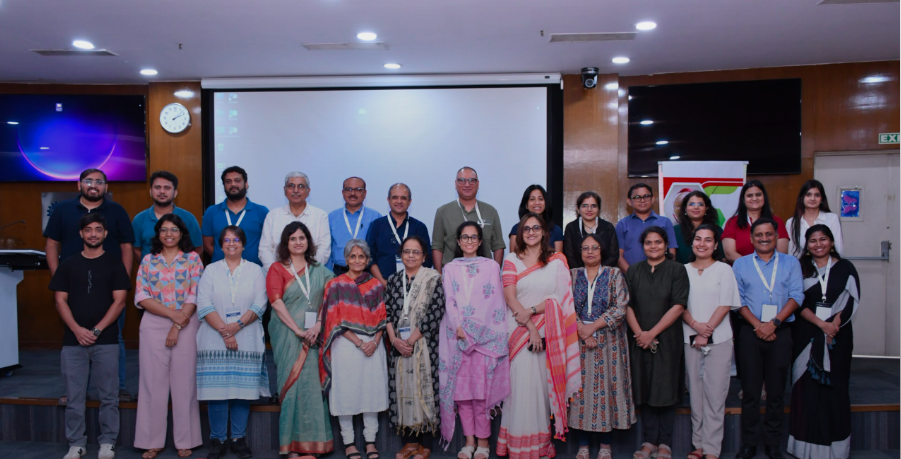
The University of Salford (UK), in collaboration with CSIR-Institute of Genomics and Integrative Biology (CSIR-IGIB) and the Organization for Rare Diseases India (ORDI), hosted a national workshop titled Towards Equitable and Early Genetic Care for Glaucoma in New Delhi.
Premas Life Sciences and Shroff Eye Hospital were the event partners. The event brought together leading clinicians, scientists, genetic counsellors, policy advocates, non-profit charities and media representatives to spotlight the urgent need for early genetic diagnosis in managing inherited forms of glaucoma in India.
The workshop opened with a welcome address by the Director, CSIR-IGIB, highlighting the need for such events and their alignment with IGIB’s mission. The event also featured presentations from notable experts including Prof Arijit Mukhopadhyay (University of Salford), Prof BK Thelma (University of Delhi), Shri Prasanna Shirol (ORDI) and senior ophthalmologists from across India. Dr Debjani Saha from Premas Lifesciences presented its plans to develop a genetic testing panel specifically targeted for childhood glaucoma.
A key highlight of the event was the premiere of Ripples of Light – a 12-minute sequel to the acclaimed 2023 film Vision of the Blind Lady. The film captures real-life progress made since the first screening, including early clinical interventions in genetically at-risk children whose blindness has now likely been averted.
“Doctors treat diseases, not patients, and patients wonder whether they would go blind, or if their children will be safe from disease. We need to meet them where they are,” Dr Asim Sil, Medical Director, Vivekananda Mission Ashram Netra Nirmaya Niketan, West Bengal.
“Whether rare or not, every disease is a burden. Innumerable Life Years can be saved with preventive medicine.” — Prof BK Thelma, University of Delhi, South Campus.
“In case of rare diseases, every family is poor. The only way to prevent them is awareness, advocacy, and policy change,” Prasanna Shirol, Executive Director, ORDI.
The day concluded with a roundtable on policy and advocacy, aiming to draft a national action plan for equitable, genetics-informed glaucoma care. Participants called for collaboration among government bodies, medical institutions, and civil society to make genetic screening accessible to all.
“The only key is awareness spread to the patients through films etc. To encourage them to get genetic testing so that such genetic diseases could be prevented,” Dr Suneeta Dubey, Head of Glaucoma Services, Shroff Eye Hospital, New Delhi.